
Experience the MPSG difference
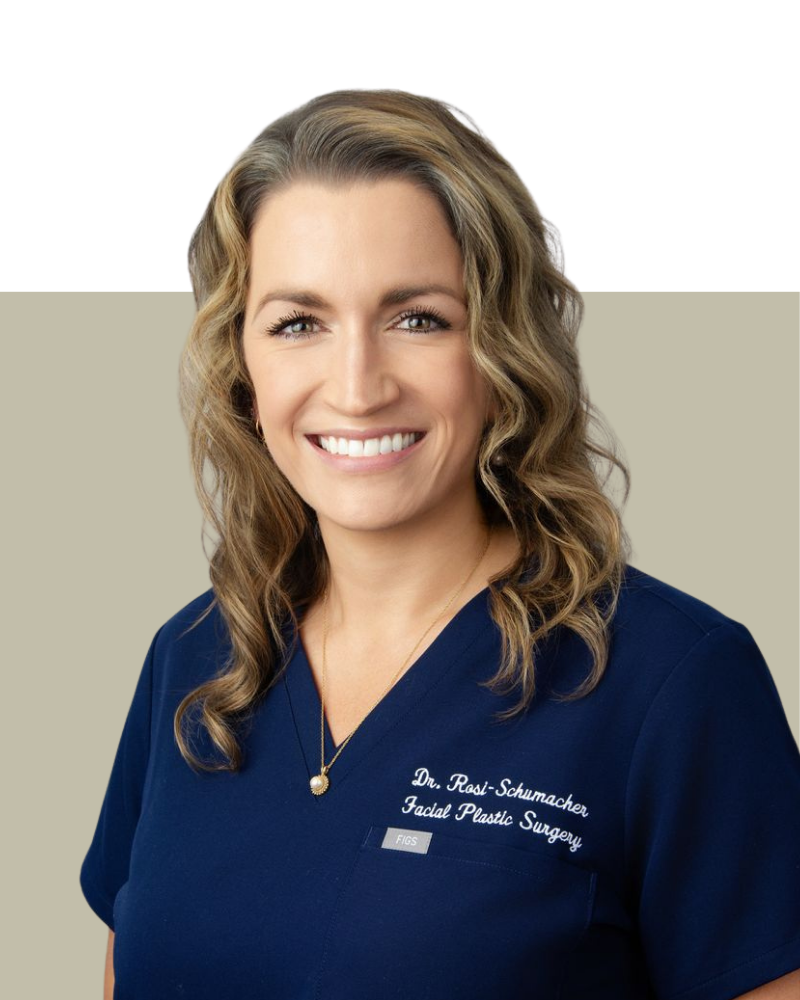
Dr. Mattie Rosi-Schumacher
At My Plastic Surgery Group we are driven by compassionate care. We are committed to providing the highest level of care grounded in respect and integrity with a customized plan to achieve your aesthetic goals. We offer the latest techniques provided in the aesthetic community by our highly skilled surgeons and providers who excel in their field and are supported by an exceptional team.
Facial Plastic Surgeon
Dr. Mattie Rosi-Schumacher
Dr. Mattie Rosi-Schumacher specializes exclusively in cosmetic and reconstructive plastic surgery of the face and neck, with particular expertise in facial rejuvenation and rhinoplasty. Her rigorous training in head and neck surgery, combined with a high-volume, one-year fellowship in facial plastic and reconstructive surgery, has provided her with advanced expertise and surgical techniques. She is dedicated to helping patients look and feel their best by delivering results that are elegant, individualized, and naturally harmonious. Her passion for her patients and thoughtful attention to detail are at the heart of her practice, helping patients feel confident, supported, and cared for throughout their surgical journey.
Education
Dr. Rosi-Schumacher completed a highly competitive and sought-after one year fellowship in facial plastic and reconstructive surgery at the University of Miami under the mentorship of world-renowned plastic surgeons including Dr. Richard Davis and Dr. Andres Bustillo. This fellowship is endorsed by the American Academy of Facial Plastic and Reconstructive Surgery, reflecting the highest standards of training in the field. During this time, she developed advanced expertise in facial aesthetic procedures, including deep plane facelift, neck lift, and rhinoplasty.
Dr. Rosi-Schumacher also completed a high-volume, five-year surgical residency in Otolaryngology-Head and Neck Surgery at the University of Buffalo. During residency, she trained under Dr. David Sherris, one of the foremost rhinoplasty surgeons in the country. Throughout her residency, she performed well over 2,500 procedures and consistently provided outstanding patient care. She graduated with the distinguished honor of Chief Resident and received numerous accolades, including first place in residency research (2023) and the best resident surgical dissection award (2025).
She earned her medical degree from Jacobs School of Medicine and Biomedical Sciences, graduating at the top of her class. During medical school, Dr. Mattie Rosi-Schumacher was inducted into the Gold Humanism Honor Society in recognition of her exceptional commitment to compassionate patient-centered care, professionalism, and empathy.
Dr. Rosi-Schumacher also holds a Bachelor of Science in Biology with a double major in Psychology from Rensselaer Polytechnic Institute in New York, where she graduated magna cum laude. During her undergraduate studies, she was consistently recognized for academic excellence and leadership, earning Dean’s List honors 4 years in a row and induction into multiple honor societies, including Beta Beta Beta Biological Honors Society, Alpha Epsilon Delta Pre-Health Professional Honor Society, and Order of Omega Greek Honors Society.
Research
Dr. Mattie Rosi-Schumacher’s research and academic accomplishments reflect sustained scholarly productivity and national recognition across otolaryngology and facial plastic surgery. She has been recognized as a Top 10 Most-Read Author in Clinical Medicine Insights: Oncology (2025), a Top 100 Most-Cited Author in OTO Open (2024), and a Top 100 Most-Read Author in Plastic and Aesthetic Research (2024), along with multiple distinctions from Doximity as a Top 10% Most Published and Most Cited Clinician. Her work has also been featured among the Top Downloaded and Most-Read articles in leading peer-reviewed journals, including OTO Open and Laryngoscope Investigative Otolaryngology. She has received multiple competitive research awards, including Best Clinical Poster at the AAO-HNS Annual Meeting and the University at Buffalo Otolaryngology Resident Research Competition Award. Collectively, these honors reflect a consistent track record of high-impact research, academic excellence, and national-level scholarly engagement throughout her training and career.
Honors and Awards
- Top 10 Most-Read Authors in Clinical Medicine Insights: Oncology
- Top 10% Most Published Clinician, Doximity
- Top 100 Most-Cited Author in OTO Open
- Top 100 Most-Read Authors in Plastic and Aesthetic Research Journal
- Top 10% of most-viewed papers published by OTO Open in 2023
- University at Buffalo Otolaryngology Resident Temporal Bone Drilling Competition Award
- University at Buffalo Otolaryngology Resident Research Competition Award
- Top Downloaded Article in Laryngoscope Investigative Otolaryngology
- Top 10% Most Cited Clinician, Doximity
- Gold Humanism Honors Society Inductee
- Matt Urban Hope Center Healers Award
- Beta Beta Beta Biological Honors Society
- Order of Omega Greek Honors Society
- Alpha Epsilon Delta Health Pre-Professional Honors Society
National Presentations
- Rosi-Schumacher M. Beyond septoplasty: addressing nasal obstruction at the nasal valve. University of Miami Otolaryngology Grand Rounds, March 2026, Miami, FL.
- Rosi-Schumacher M. High-yield facial plastic surgery for the otolaryngology in-training exam. University of Miami Otolaryngology Resident Education Lecture, March 2026, Miami, FL.
- Rosi-Schumacher M. The aging face and facial rejuvenation surgery. University of Miami Otolaryngology Resident Education Lecture, October 2025, Miami, FL.
- Favre N, Rosi-Schumacher M, Harsinay A, Sherris DA. Adherence to bell’s palsy clinical practice guidelines: a nationwide retrospective analysis. American Academy of Otolaryngology-Head and Neck Surgery Annual Meeting, October 2025, Indianapolis, IN.
- Rosi-Schumacher M. Rhytidectomy: anatomy and surgical technique. University at Buffalo Otolaryngology Resident Education Lecture Series, May 2025, Buffalo, NY.
- Rosi-Schumacher M. Lasers in Otolaryngology. University at Buffalo Otolaryngology Resident Education Lecture Series, April 2025, Buffalo, NY.
- Rosi-Schumacher M. Rhinoplasty: review of anatomy, surgery, and complications. University at Buffalo Otolaryngology Resident Education Lecture Series, March 2025, Buffalo, NY.
- Rosi-Schumacher M. Facial rejuvenation of the upper third: brow lift and blepharoplasty. University at Buffalo Otolaryngology Grand Rounds, November 2024, Buffalo, NY.
- Rosi-Schumacher M. Treatment of facial rhytids with botulinum toxin. University at Buffalo Otolaryngology Grand Rounds, November 2024, Buffalo, NY.
- Rosi-Schumacher M, Sherris DA. Long-term outcomes following rhinoplasty using the combined septal extension-columellar strut graft. AAFPRS Rhinoplasty & Facial Rejuvenation Meeting, April 2024, Orlando, FL.
- Rosi-Schumacher M. Nasal valve disorders: evaluation and management. University at Buffalo Otolaryngology Grand Rounds, February 2024, Buffalo, NY.
- Rosi-Schumacher M, Abbas A, Young PR. Improvement in nasal symptoms of chronic rhinitis after cryoablation of the posterior nasal nerve. American Academy of Otolaryngology-Head and Neck Surgery Annual Meeting, October 2023, Nashville, TN.
- Ma A, Rosi-Schumacher M, DiNardo L, Corbin A, Carr M. A comparison of drug induced sleep endoscopy findings in infants and toddlers. American Academy of Otolaryngology-Head and Neck Surgery Annual Meeting, October 2023, Nashville, TN.
- Ma A, Rosi-Schumacher M, Corbin A, Geisen H, Carr M. White noise use among children undergoing soundfield audiometry. American Academy of Otolaryngology-Head and Neck Surgery Annual Meeting, October 2023, Nashville, TN.
- Bacon B, Gould E, Al Sabbagh R, Hassinger A, Rosi-Schumacher M, Carr M. Comparison of Epworth sleepiness and OSA-18 scores with pediatric polysomnography. American Academy of Otolaryngology-Head and Neck Surgery Annual Meeting, October 2023, Nashville, TN.
- Rosi-Schumacher M. Facial paralysis and reanimation techniques. University at Buffalo Otolaryngology Grand Rounds, April 2023, Buffalo, NY.
- Rosi-Schumacher M, Nagy R, Favre N, DiNardo L, Carr M. Financial toxicity for caregivers of pediatric patients with long-term tracheostomies. American Academy of Otolaryngology-Head and Neck Surgery Annual Meeting, September 2022, Philadelphia, PA.
- Siddiqui A, Reese A, DiNardo L, Sharma J, Rosi-Schumacher M, Carr M. Characteristics of ACGME-accredited fellowship directors in Otolaryngology. American Academy of Otolaryngology-Head and Neck Surgery Annual Meeting, October 2022, Philadelphia, PA.
- Reese A, DiNardo L, Raghavan M, Nagy R, Rosi-Schumacher M, Carr M. Intolerance of uncertainty contributes to parent refusal of watch and wait. American Academy of Otolaryngology-Head and Neck Surgery Annual Meeting, October 2022, Philadelphia, PA.
- Rosi-Schumacher M. Sinus anatomy and computed tomography (CT) scans. Chautauqua Summer Otolaryngology Course for Medical Students, July 2022, Buffalo, NY.
- Rosi-Schumacher M, Patel S, Phan C, Goyal N. Survivorship: at what cost? Understanding financial toxicity in patients with head and neck cancer. American Head and Neck Society Annual Meeting, July 2021, Virtual.
- Rosi-Schumacher M, Shah SJ, Craig T, Goyal N. A contemporary review of peri-operative considerations for hereditary angioedema and the role of the otolaryngologist in a clinical decision pathway. American Academy of Otolaryngologic Allergy (AAOA) Annual Meeting, October 2020, Virtual.
- Rosi-Schumacher M, Kidd B, Dudley J. Integrative systematic analysis of drug-induced immune side effects. Icahn School of Medicine at Mount Sinai Summer Undergraduate Research Program, August 2014, New York, NY.
Publications
1. Harsinay A, Rosi-Schumacher M, Favre N, Sherris D. Facelift demand among patients using GLP-1 receptor agonists: the impact of weight loss associated facial changes. Facial Plast Surg Aesthetic Med. 2026 May 1.
2. Rosi-Schumacher M, Karki S, Al Afif A, McSpadden R. Symptomatic Pedicle Ossification Following Fibular Free Flap Reconstruction: Case Report and Review of the Literature. Journal of Interdisciplinary Research Applied to Medicine. 2026.
3. Akella DS, Bacon BR, Tiwana HS, Varavenkataraman G, DiNardo LA, Rosi-Schumacher MR, Carr MM. Intubated COVID-19 patients more likely to develop subglottic stenosis. Laryngoscope Investig Otolaryngol. 2026 April 19.
4. Favre N, Harsinay A, Rosi-Schumacher M, Sorenson K, Sherris D. Nationwide Adherence to Bell's Palsy Clinical Practice Guidelines: Retrospective Analysis Using a Large-Scale EHR Database. Otolaryngol Head Neck Surg. 2026.
5. Rosi-Schumacher M, Favre N, Harsinay A, Varavenkataraman G, Carr M. Tranexamic Acid and Postoperative Bleeding in Rhinoplasty: Insights from a Nationwide EHR Study. Journal of Aesthetic Medicine. 2025 December 31.
6. Rosi-Schumacher M, Vincent A, Hohman M. Cosmetic Rhinoplasty. Otolaryngology Core Curriculum for the Facial Plastic and Reconstruction Education Committee. 2025 July 01.
7. Eberly HW, Rosi-Schumacher M, Sciscent BY, Truong N, King TS, Goldenberg D, Goyal N. The use of fibrin sealants in reducing postoperative complications in skull base surgery: a systematic review and meta-analysis. J Neurol Surg B Skull Base. 2024 December 28.
8. Rosi-Schumacher M, O'Donnell JD, Ong AA, Sherris DA. Litigation following surgery for acute traumatic facial injuries. Cureus. 2024 October 29.
9. Rosi-Schumacher M, Young PR. Reply to letter regarding improvement in nasal symptoms of chronic rhinitis after cryoablation of the posterior nasal nerve. OTO Open. 2024 October 22.
10. Cottone C, Rosi-Schumacher M, Gawel EM, Corbin AF, Riccio D, Carr MM. Postoperative complications in lingual versus palatine tonsillectomies. Laryngoscope. 2024 Oct 2.
11. Rosi-Schumacher M, Sherris DA. Outcomes Following Rhinoplasty Using the Combined Septal Extension-Columellar Strut Graft. Facial Plast Surg Aesthetic Med. 2024 Aug 26.
12. Ma A, Rosi-Schumacher M, DiNardo L, Corbin A, Carr MM. A comparison of drug induced sleep endoscopy findings in infants and toddlers. Otolaryngology-Head and Neck Surgery. 2024 May 13.
13. Ma A, Rosi-Schumacher M, Corbin A, Geisen H, Carr MM. White noise use among children undergoing soundfield audiometry: a preliminary study. Int J Pediatr Otorhinolaryngol. 2024 May 11.
14. Rosi-Schumacher M, Ma AC, Reese A, Nagy R, DeGiovanni JC, Nagy M, Carr MM. Feeding issues in infants referred for frenotomy. Cureus. 2024 May 02.
15. Rosi-Schumacher M, DiNardo LA, Reese AD, Gupta S, Nagy RE, Chakraborty S, Carr MM. Comparison of surgical techniques for the treatment of congenital nasal pyriform aperture stenosis: a systematic review. Annals of Otology, Rhinology & Laryngology. 2024 Mar 28.
16. Rosi-Schumacher M, Bacon B, Carr MM. Stuck in the hospital during the Buffalo blizzard of 2022: a resident’s experience. AAO-HNS Bulletin Vol. 43. 15 March 2024.
17. Rosi-Schumacher M, Sharma J, Clausen S, Favre N, Powers K, Carr M. Post-tonsillectomy bleeding rate decreases with limitation in maximum post-operative ibuprofen dosage: a quality improvement study. Am J Otolaryngol. 2023 Dec 14
18. Rosi-Schumacher M, Abbas A, Young PR. Improvement in nasal symptoms of chronic rhinitis after cryoablation of the posterior nasal nerve. OTO open. 2023 Oct 17.
19. Rosi-Schumacher M, Raghavan M, Pizzuto M. A rare case of pediatric oropharyngeal schwannoma. Cureus. 2023 Oct 8.
20. Rosi-Schumacher M, Zalzal H, Carr MM. Lingual tonsillectomy for pediatric obstructive sleep apnea: indications and surgical technique. Oper Tech Otolaryngol Neck Surg. 2023 Sept 15.
21. Rosi-Schumacher M, Colca S, Hassinger AB. Diagnosis of pediatric obstructive sleep apnea for otolaryngologists. Oper Tech Otolaryngol Neck Surg. 2023 Sep 10.
22. DiNardo LA, Siddiqui AA, Reese AD, Sharma J, Rosi-Schumacher M, Carr MM. Characteristics of ACGME accredited fellowship directors in otolaryngology. Intl J Surgical Education (IJSED). 2023 Aug 16.
23. Rosi-Schumacher M, Nagy R, Virgen C, Carr MM. Peritonsillar abscess on NSQIP: safety of indicated quinsy tonsillectomy. Int J Pediatr Otorhinolaryngol. 2023 Jun 15.
24. Rosi-Schumacher M, Baker J, Waris J, Seiffert-Sinha K, Sinha AA. Worldwide epidemiologic factors in pemphigus vulgaris and bullous pemphigoid. Front Immunol. 2023 Apr 25.
25. Rosi-Schumacher M, Nagy R, Favre N, DiNardo L, Carr MM. Financial toxicity for caregivers of pediatric patients with long-term tracheostomies. Ann Otol Rhinol Laryngol. 2023 Apr 20.
26. Rosi-Schumacher M, Sherris DA. Surgical Pearls: combined septal extension-columellar strut graft for rhinoplasty. Facial Plast Surg Aesthetic Med. 2023 Mar 22.
27. Rosi-Schumacher M, Patel S, Phan C, Goyal N. Understanding financial toxicity in patients with head and neck cancer: a systematic review. Clin Med Insights Oncol. 2023 Jan 23.
28. DiNardo LA, Rosi-Schumacher M, Kuo CC, Nagy R, Carr MM. An analysis of postoperative complications in medialization thyroplasty: NSQIP data. ORL J Otorhinolaryngol Relat Spec. 2023 Sep 16.
29. Reese AD, Rosi-Schumacher M, Carr MM. Characterization of litigation after tonsillectomy in the United States. Am J Otolaryngol. 2022 Aug 2.
30. Rosi-Schumacher M, DeGiovanni JC. Using the lessons of learning science to improve medical education in otolaryngology. Ear Nose Throat J. 2022 Feb 24.
31. Rosi-Schumacher M, Shokri T, Bassichis B. Partial auricular reconstruction surgery for facial skin cancer. Plast Aesthetic Res. 2022 Feb 8.
32. Shokri T, Rosi-Schumacher M, Petrauskas L, Chan D, Ducic Y. Genioplasty and mandibular implants. Facial Plast Surg. 2021 Sep 16.
33. Rosi-Schumacher M, Shah SJ, Craig T, Goyal N. Clinical manifestations of hereditary angioedema and a systematic review of treatment options. Laryngoscope Investig Otolaryngol. 2021 Apr 3.
34. Pool C, Rosi-Schumacher M, Ehret C, King TS, Wilson MN. Outpatient sistrunk procedure: a retrospective analysis. Int J Pediatr Otorhinolaryngol. 2020 Oct 17.
35. Ong AA, Rosi-Schumacher M, Pizzuto M. Langerhans cell histiocytosis of the skull. Ear Nose Throat J. 2021 Sep 26.
World-Class Expertise
Dr. Rosi-Schumacher's Top Procedures

Learn More
Dr. Rosi-Schumacher Up Close & Personal
Outside of medicine, Dr. Rosi-Schumacher values time with her partner and family, who remain central to her work-life balance. In her free time, she finds renewal in nature and enjoys an active lifestyle that includes running, biking, and hiking. On the weekend you may find her enjoying a good book over a latte, shopping at the farmer’s market, or seeking out a nice restaurant with a jazz band for dinner and a cocktail. She loves travelling and appreciates the opportunity for cultural immersion and experiencing local cuisine. Creative expression through art and music has been a lifelong passion of hers. She plays the flute and has performed in various flute choirs and orchestras. She enjoys drawing, painting, knitting, and stained glass.
Ask An Expert
Frequently Asked Questions
Deep Plane Facelift Questions
What is a deep plane facelift?
A deep plane facelift is an advanced facial rejuvenation procedure that lifts and repositions the deeper layers of facial tissue—not just the skin—to restore more youthful facial contours. By addressing the underlying support structures of the face, it allows the cheeks, jawline, and areas around the mouth to be elevated in a more comprehensive and natural way. This technique improves sagging in the midface, jowls, and nasolabial folds while maintaining natural facial movement and expression.
How does a deep plane facelift differ from other types of facelifts?
Unlike more traditional facelift techniques that primarily tighten or redrape the skin, a deep plane facelift focuses on releasing and repositioning the deeper facial retaining structures. This allows the facial tissues to be lifted as a unified layer rather than being pulled tight at the skin level. By working beneath the superficial layers, the procedure reduces tension on the skin and avoids an overly tight or “pulled” appearance. Instead, it restores volume and support to key areas such as the cheeks, jawline, jowls, and perioral region in a way that looks more natural and balanced.
How long does a deep plane facelift last?
Results can last 10–15 years, depending on genetics, lifestyle, and skin quality.
What is the recovery like?
After your procedure, you will be able to return home with a friend or family member. You will mostly be resting and recuperating during the first few weeks. We recommend using cold packs for swelling and sleeping in an elevated position. You may shower after two days. Swelling and bruising are most pronounced in the first 1–2 weeks. Patients usually feel comfortable running errands and getting out of the house by day 10. Most patients will return to light work and activities after 2 weeks. On average, patients may resume moderate exercise by 3 weeks and strenuous activities by 4 to 6 weeks after surgery.
Are there risks with a deep plane facelift?
As with any surgical procedure, facelift surgery carries some potential risks, though serious complications are uncommon when performed by an experienced surgeon. Most patients experience a smooth recovery with temporary and expected side effects. Possible risks include mild swelling and bruising, temporary numbness in certain areas of the face, and small changes in sensation as the tissues heal. Temporary weakness or subtle changes in facial nerve function can also occur but usually resolve as healing progresses. Scarring is minimal and carefully placed in natural skin creases and hair-bearing areas to remain well hidden over time. Overall, choosing a highly experienced surgeon helps ensure these risks are minimized and that any issues that do arise are managed safely and effectively.
Who is a good candidate?
A deep plane facelift is an ideal solution for patients who are seeking to reverse the effects of aging and a more youthful appearance. Patients who have signs of aging such as skin laxity in the face and neck, volume loss/sagging in the cheek and midface, prominent jowls, poorly defined jaw, and/or deep nasolabial folds are ideal candidates. Other requirements of surgical candidacy include realistic expectations, good overall health with no serious medical conditions, BMI less than 30, and no smoking or nicotine use. Age alone is less important than facial structure and skin quality.
Deep Plane Neck Lift with Neck Contouring Questions
What is a deep neck lift?
This procedure tightens underlying neck muscles and removes excess skin to restore a smoother, more defined jawline and neck contour. This may include removing excess submental fat (a “double chin”) as well as removing deeper fat beneath the muscle layer in the neck. It helps to reshape the contour between the neck and chin called the cervicomental angle.
How does it differ from neck liposuction?
Liposuction removes fat only in the superficial layer immediately beneath the skin, while a deep neck lift uses a surgical technique to address the deeper layers, tightens muscles and skin, and addresses sagging rather than just fullness.
What is the recovery time?
Swelling and bruising usually last 1–2 weeks. Most patients return to work within 1–2 weeks, with full results visible over 2–3 months.
Are there visible scars?
Incisions are typically hidden under the chin or behind the ears, and scars fade over time.
Who is a good candidate?
Patients with neck sagging, banding of the platysma muscle, or jowling are ideal. Good overall health and realistic expectations are essential. This procedure is best suited for younger patients under 40 with a genetically heavy neck. Patients over 40 with loose, sagging skin are better candidates for a deep plane facelift performed in combination with a deep neck lift.
Neck Liposuction Questions
What is neck liposuction?
A minimally invasive procedure to remove excess fat from the neck and jawline, enhancing neck contour.
How long does the procedure take?
Usually 1–2 hours under local anesthesia with sedation or general anesthesia.
What is the recovery like?
The recovery time for this procedure is typically 7-10 days.
Are the results permanent?
Yes, if you maintain a stable weight, since the fat cells have been removed in the procedure they do not return and results are permanent.
Who is a good candidate?
Patients with localized fat deposits in the neck who are desiring a slimmer profile are ideal for neck liposuction. If you also have excess or sagging skin under the jawline, you may be a candidate for a neck lift, either alone or in conjunction with neck liposuction.
Brow Lift Questions
What is a brow lift?
A brow lift elevates sagging eyebrows, reduces forehead lines, and improves the appearance of droopy eyelids. The procedure helps to give patients a more rested and youthful appearance. A brow lift may also help improve visual field obstruction due to brow ptosis and hooded eyelids.
What is the endoscopic forehead lift technique?
This is a modern technique that involves smaller incisions and less scarring compared to traditional methods. The incisions are placed in the hairline and instruments are used to release brow and forehead tissue from their attachments to the bone. The brow and forehead are then lifted and suspended in a higher position. The result is a natural rejuvenation that can be seen immediately with a softer and more alert look.
How long is recovery?
The average recovery is about 2-3 weeks. Swelling and bruising last about 1–2 weeks. Most patients return to normal activities in 1–2 weeks.
Are the results permanent?
Yes, but aging continues. The lift can last 7–10 years depending on skin quality and lifestyle.
Who is a good candidate?
Patients with low/drooping or heavy brows, forehead wrinkles, or hooded eyelids who are in good health.
How do you know if you need a brow lift or eyelid surgery?
Eyelid surgery removes excess skin that hangs over the eyelid, while a brow lift elevates the eyebrow and relieves the effect of a drooping forehead that may contribute to hooding of the eyes. If you only have loose skin over the eyelid, a blepharoplasty may be the right procedure for you. However, if you also have a heavy or sagging brow, you may benefit from the combination of brow lift and eyelid surgery.
Upper Eyelid Surgery Questions
What is upper eyelid surgery?
It removes excess skin, fat, and sometimes muscle from the upper eyelids to improve vision and appearance. An incision is made in the natural eyelid crease and excise loose skin and fatty tissue is excised.
What are the benefits of eyelid surgery?
This surgery can create a more awake appearance and help to reveal the natural beauty of the eye. It will reduce and improve fine lines/wrinkles and crepey skin of the eyelid. Your eyes can appear brighter, refreshed, and more youthful. A smoother upper eyelid may make it easier to apply makeup. Removing excess skin from the upper eyelids may also help to expand your field of vision.
What is the recovery like?
Swelling and bruising may be present in the first several days following the procedure. Ice packs are recommended, however patients do not typically experience much discomfort after this procedure. Sutures may be removed in 3-5 days. You may return to work in one week and more strenuous activities can be resumed at 3 weeks.
Are results permanent?
Yes, though natural aging continues, the improvement lasts many years. Upper eyelid lift scars are concealed in the natural crease where they are not noticeable.
Who is a good candidate?
Patients with droopy eyelids, excess skin or folds of the eyelid, or bulging fat affecting vision or aesthetics.
How do you know if you need eyelid surgery or a brow lift?
Eyelid surgery removes excess skin that hangs over the eyelid, while a brow lift elevates the eyebrow and relieves the effect of a drooping forehead that may contribute to hooding of the eyes. If you only have loose skin over the eyelid, a blepharoplasty may be the right procedure for you. However, if you also have a heavy or sagging brow, you may benefit from the combination of brow lift and eyelid surgery.
Lower Eyelid Surgery Questions
What is lower blepharoplasty?
Surgery to remove or reposition fat and tighten the lower eyelid skin to reduce under-eye bags and contour irregularities. Depending on the patient’s needs, the incisions are either placed within the lower eyelid (transconjunctival incisions) or just below the eyelashes along the lower eyelid. Typically dissolvable sutures are used.
What is fat transposition or grafting?
Excess fat can be repositioned to fill hollows, or harvested fat is injected for smoother contour and volume restoration.
What is the recovery like?
Swelling and bruising peak at 3–5 days and improve over 1–2 weeks. Makeup can often be used to cover residual bruising.
Are results permanent?
Yes, though subtle changes can occur with aging. Fat grafting can settle slightly over several months.
Who is a good candidate?
Patients with under-eye bags and muscle/skin laxity of the lower eyelid who are looking to improve the contour of the midface for a natural and refreshed look.
Facial Fat Grafting Questions
What is facial fat grafting?
A procedure where your own fat is harvested from another area (typically the abdomen or thighs) and injected into the face to restore volume, smooth wrinkles, or enhance contours. Facial fat transfer can help fill wrinkles, minimize the appearance of depressed scars, and add volume to the face for a more youthful appearance. Depending on the patient, fat grafting may be used to fill in areas in the cheeks, temples, smile lines, lips, or under the eyes. The goal is youthful volume rejuvenation.
Can facial fat grafting be combined with another procedure?
This procedure can be combined with other procedures including facelift, neck lift, and eyelid surgery.
How long do results last?
Some fat is naturally reabsorbed, but remaining fat can provide long-term improvement for years.
What is the recovery like?
Typically there is soreness with swelling and bruising at the liposuction site and the transfer site. You will notice improvement right away in your face, however it will take several weeks before you can see your final result. Using your own fat means a lower risk of reactions compared to synthetic fillers.
Who is a good candidate?
Patients with facial volume loss, hollow cheeks, or age-related contour changes seeking natural, long-lasting results.
Otoplasty Questions
What is otoplasty?
Surgery to reshape or pin back prominent ears for improved symmetry and proportion. This procedure can “pin back” ears that stick out and ,if needed, can reshape the cartilage so the ears rest closer to the head.
How long does surgery take?
Typically 2 hours under local anesthesia with sedation or general anesthesia.
What is the recovery like?
There is mild discomfort after otoplasty surgery. Bruising and swelling begin to resolve by the first week. A headband is worn for 1–2 weeks. The full results are visible after several weeks. Patients may return to work or school in 3-4 days. Contact sports should be avoided for 3 weeks.
Are the results permanent?
Yes, once ears are repositioned and healed, results are permanent.
Who is a good candidate?
Children (usually 5+ years old) or adults with prominent or misshapen ears who are healthy. Having ears that stick out can be the source of teasing from peers and may result in self-esteem issues. This procedure can help restore confidence.
Rhinoplasty Questions
What is rhinoplasty?
Rhinoplasty, often called a "nose job," is a surgical procedure that reshapes the nose to improve its appearance, function, or both. Rhinoplasty can address concerns such as a nasal hump, a drooping or bulbous tip, asymmetry, a wide nasal bridge, crooked nose or breathing difficulties caused by structural issues within the nose. Every rhinoplasty is customized to complement the patient's unique facial features and aesthetic goals.
What happens during the surgery?
Rhinoplasty is performed using a small incision along the columella (the tissue between the nostrils). While the incision is external, it generally heals very well with minimal scarring. A septoplasty is performed in the procedure and your own septal cartilage is used to make cartilage grafts that will be used to support the nasal structure and to make cosmetic changes in the nasal shape. Depending on your needs, the procedure may include osteotomies or careful fracturing and resetting of the nasal bones to straighten or narrow the nose.
Am I a good candidate for rhinoplasty?
You may be a good candidate for rhinoplasty if you are bothered by the size, shape, or proportion of your nose, or if you experience difficulty breathing through your nose. Ideal candidates are in good overall health, do not smoke (or are willing to stop during the healing process), and have realistic expectations about the outcome of surgery. A consultation can help determine whether rhinoplasty is right for you.
What is recovery like after rhinoplasty?
Most patients can return to work, school, or other non-strenuous activities within 1–2 weeks after surgery. Bruising and swelling around the eyes typically improve significantly during the first two weeks. While patients often notice changes right away, swelling continues to resolve gradually over several months, and final results may take up to a year or longer to fully develop.
Will my rhinoplasty look natural?
A well-performed rhinoplasty should enhance facial harmony while preserving a natural appearance. The goal is not to create a "one-size-fits-all" nose, but rather to refine the nose in a way that complements your individual facial features. Surgical planning is highly personalized to achieve balanced, natural-looking results.
Will rhinoplasty affect my breathing?
Rhinoplasty can often improve nasal breathing when structural issues such as a deviated septum, nasal valve collapse, or other airway problems are addressed during surgery. Functional improvements can frequently be combined with cosmetic enhancements in a single procedure. During your consultation, your surgeon will evaluate your nasal anatomy and discuss any breathing concerns you may have.
What is the recovery like?
You will have a cast over your nose that must be kept dry. It is recommended to use ice packs over the face for bruising and swelling. Bruising and swelling will peak over days 1-3 after surgery and improve over time. Typically patients take 7-10 days off of work or school. At 7 days the cast is removed at your post-op appointment. In 4 weeks you can resume strenuous physical activities. Most of the swelling will be resolved by 3 months, while the tip will take longer to refine. It will take 12+ months of healing before final results are fully visible.
Revision Rhinoplasty Questions
What is revision rhinoplasty?
Revision rhinoplasty is a secondary nose surgery performed to address concerns following a previous rhinoplasty. Patients may seek revision surgery to improve the appearance of the nose, correct asymmetry, refine the nasal tip, restore structural support, or improve breathing. Because revision procedures involve altered anatomy and scar tissue, they are often more complex than primary rhinoplasty.
Why might someone need revision rhinoplasty?
Patients pursue revision rhinoplasty for a variety of reasons, including persistent cosmetic concerns, changes that occur during healing, nasal obstruction, or dissatisfaction with the results of a prior surgery. Common concerns include a crooked nose, tip irregularities, over- or under-resection, nasal collapse, asymmetry, or breathing difficulties.
When can revision rhinoplasty be performed?
It is generally recommended to wait at least 12 months after a previous rhinoplasty before considering revision surgery. The nose continues to heal and change during this time, and waiting allows swelling to fully resolve so that the final result can be accurately assessed.
Is revision rhinoplasty more difficult than primary rhinoplasty?
Yes. Revision rhinoplasty is typically more complex because the surgeon must work with scar tissue, altered anatomy, and sometimes a limited amount of remaining cartilage support. In some cases, cartilage grafts from the nasal septum, ear, or rib may be needed to rebuild and strengthen the nose. For this reason, revision rhinoplasty requires careful planning and specialized expertise.
What is recovery like after revision rhinoplasty?
Recovery is similar to primary rhinoplasty, although swelling may take longer to resolve. Most patients can return to work and normal daily activities within 1–2 weeks, while subtle swelling continues to improve over many months. Final results often take a year or longer to fully develop, especially in complex revision cases. The goal is to achieve a nose that looks natural, functions well, and is in harmony with the rest of the face.
Facial Reconstruction After Skin Cancer Removal Questions
What is facial reconstruction after skin cancer removal?
Facial reconstruction is a procedure performed after skin cancer has been removed to restore both appearance and function. Depending on the size, depth, and location of the defect, reconstruction may involve careful closure of the wound, local tissue rearrangement, skin grafting, or more advanced reconstructive techniques. The goal is to achieve the best possible cosmetic outcome while preserving important facial structures.
When should reconstruction be performed after skin cancer removal?
In most cases, reconstruction is performed immediately after the cancer has been completely removed but is delayed by several days in some cases. Coordination between your skin cancer surgeon and reconstructive surgeon helps ensure a seamless treatment process.
Will I have a visible scar after reconstruction?
Any surgical procedure will result in a scar, but reconstructive techniques are designed to place scars along natural facial contours and skin lines whenever possible. While scars are most noticeable during the early healing period, they typically improve significantly over time and continue to mature for up to a year or more.
What is the recovery process like?
Recovery depends on the size and complexity of the reconstruction. Most patients experience mild swelling, bruising, and tenderness during the first few weeks. Detailed postoperative instructions will be provided to help optimize healing and minimize scarring. Most patients can resume normal daily activities relatively quickly.
Will my appearance look the same as before skin cancer removal?
The primary goal of facial reconstruction is to restore a natural appearance while maintaining facial function. Although every effort is made to recreate the original contours and features of the face, the final result depends on the size and location of the defect. Modern reconstructive techniques can often achieve remarkably natural outcomes.
Mohs Defect Reconstruction Questions
What is Mohs defect reconstruction?
Mohs defect reconstruction is a specialized procedure performed after Mohs surgery to repair the area where skin cancer has been removed. Because Mohs surgery removes cancer while preserving as much healthy tissue as possible, reconstruction can be tailored to restore the appearance and function of the affected area with precision.
Why do I need a reconstructive surgeon after Mohs surgery?
Some defects can heal well on their own or be closed by the Mohs surgeon, while others require more advanced reconstructive techniques. A facial plastic surgeon has specialized expertise in restoring complex facial areas such as the nose, eyelids, lips, ears, and cheeks while preserving both appearance and function.
What reconstructive techniques are used after Mohs surgery?
The appropriate technique depends on the size, depth, and location of the defect. Options may include direct closure, local flaps that reposition nearby tissue, skin grafts, or more advanced reconstructive procedures. Your surgeon will recommend the approach that provides the best balance of healing, function, and cosmetic outcome.
How soon after Mohs surgery is reconstruction performed?
In most cases, reconstruction is performed on the same day as Mohs surgery or within a few days after cancer removal. Once clear margins have been confirmed, reconstruction can proceed safely and efficiently.
Will the reconstruction look natural?
The goal of Mohs defect reconstruction is to restore facial harmony while making the repair as inconspicuous as possible. By carefully matching skin color, texture, and contour, advanced reconstructive techniques can often produce results that blend naturally with the surrounding facial features.
Scar Revision Questions
What is scar revision surgery?
Scar revision surgery is a procedure designed to improve the appearance of a scar or restore function when a scar causes tightness, discomfort, or restricted movement. While no scar can be completely erased, scar revision can often make a scar less noticeable by improving its size, shape, color, or location.
Am I a good candidate for scar revision surgery?
You may be a good candidate if you have a scar that is raised, widened, depressed, irregular, or cosmetically bothersome. Patients who experience functional limitations from scar contracture may also benefit from treatment. During your consultation, your surgeon will evaluate the scar and discuss the most appropriate treatment options based on its location, age, and characteristics.
When is the best time to have scar revision surgery?
Many scars continue to mature and improve for up to a year after the original injury or surgery. In some cases, it is beneficial to allow a scar to fully mature before considering revision. However, scars that cause functional problems or significant cosmetic concerns may be treated sooner. Your surgeon will help determine the ideal timing for your specific situation.
What techniques are used for scar revision?
Treatment options vary depending on the type of scar. Scar revision may involve surgical excision and meticulous closure, tissue rearrangement techniques, laser treatments, dermabrasion, steroid injections, or a combination of therapies. The goal is to create a smoother, less noticeable scar that blends more naturally with the surrounding skin.
What is recovery like after scar revision surgery?
Recovery depends on the size and location of the scar being treated. Most patients experience mild swelling, redness, or bruising that improves within the first few weeks. Scars continue to heal and mature over several months, and your surgeon may recommend scar care treatments such as silicone therapy, sun protection, or laser treatments to optimize the final result.
Get Started with MPSG
Explore Your Options
Ready to take the next step? Schedule a consultation to discuss your goals, explore your options, and receive a personalized treatment plan designed around your unique needs.