
Unique Approach
Why Choose MPSG for Your Rhinoplasty
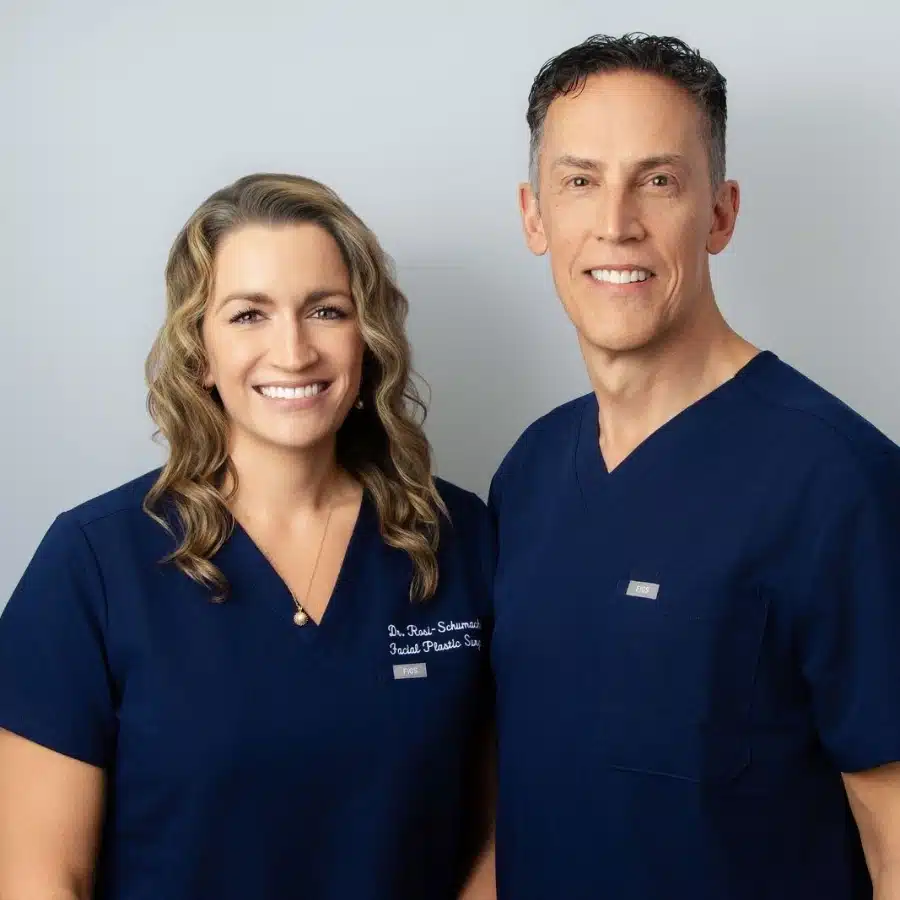
“When patients come in for a rhinoplasty consultation, I hand them a mirror and ask them to show me exactly what concerns them about their nose. Some patients are bothered by a hump, asymmetry, or the shape of the tip, while others are also having trouble breathing. One of the most important parts of the consultation is understanding whether the concern is cosmetic, functional, or a combination of both. By listening to what the patient sees and experiences, we can create a surgical plan that improves facial harmony while also addressing any underlying breathing concerns. My goal is to achieve a result that looks natural, fits the patient's face, and helps them feel more confident while preserving their identity.”
- Dr. John Aker
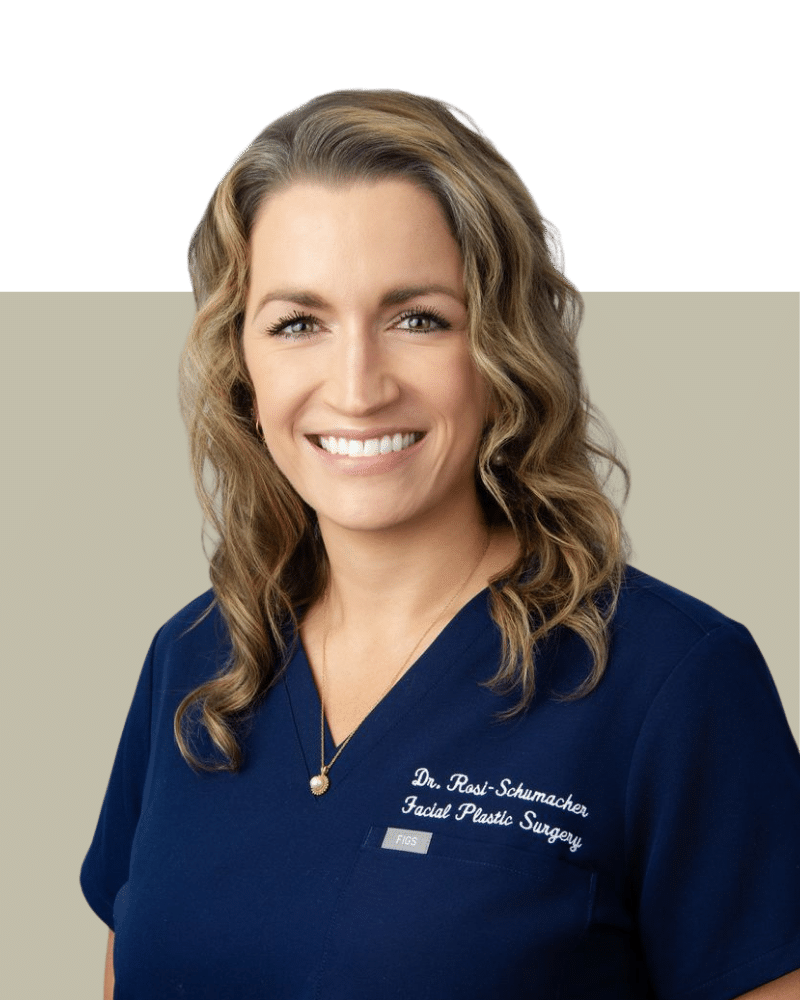
Dr. Rosi-Schumacher
"Rhinoplasty is one of the most individualized procedures in facial plastic surgery. My approach begins with understanding not only what a patient would like to change, but how the nose functions and how its structure relates to the rest of the face. With my background in ear, nose, throat surgery and advanced fellowship training in facial plastic surgery, I focus on precise structural changes that improve both form and function while preserving the features that make each patient unique. My goal is a nose that looks natural, balanced, and harmonious with the face—never like a nose that has simply been operated on.”
— Dr. Rosi-Schumacher
Frequently Asked Questions


Combination Procedures
Rhinoplasty Before & After Results
Explore rhinoplasty before-and-after photos showing individualized changes in dorsal humps, nasal width, tip shape, projection, symmetry, and overall balance with surrounding facial features.

How long does swelling last after rhinoplasty?
Swelling after rhinoplasty is normal and gradually improves throughout the healing process. Most patients notice significant improvement within the first few weeks after nose surgery, allowing them to return to normal daily activities relatively quickly. However, subtle swelling, especially around the nasal tip, can continue to refine over several months, with final rhinoplasty results developing over 6 to 12 months. Following your surgeon’s post-operative instructions can help support proper healing and optimal results.
When will I see final rhinoplasty results?
Most patients begin to see noticeable rhinoplasty results within the first few weeks after surgery as swelling improves. However, the nose continues to refine and settle over time, with final rhinoplasty results typically developing over 6 to 12 months. Subtle changes, especially in the nasal tip, can continue as healing progresses. Patience is important during recovery, as the final nose shape becomes more defined with time.
What are the dangers and risks of rhinoplasty surgery?
Any surgery carries a small risk related to anesthesia, a small risk of excessive bleeding, and a tiny risk of wound infection. The most common risk in rhinoplasty surgery is a change in nasal airflow. This risk will be addressed in detail during your initial consultation with the plastic surgeon.
What if I get a cold after this cosmetic procedure? Will I be able to blow my nose?
We recommend that for the first week of rhinoplasty recovery, you try not to blow your nose.
Will my nose still look natural after rhinoplasty?
Yes. A well-performed rhinoplasty is designed to enhance the appearance of the nose while maintaining natural facial balance and harmony. The goal of nose surgery is not to create an overdone or artificial look, but rather to refine the nose in a way that complements your unique facial features. During your rhinoplasty consultation, your surgeon will discuss your goals and create a personalized surgical plan focused on achieving natural-looking results that fit your overall appearance.
What is the recovery timeline after rhinoplasty?
Most patients return to work, school, and light daily activities within 1 to 2 weeks after rhinoplasty surgery. Bruising and swelling are most noticeable during the first week and gradually improve over time. While early healing occurs relatively quickly, the nose continues to refine and settle over several months as swelling fully resolves. Our team provides detailed rhinoplasty recovery instructions and ongoing support to help ensure a smooth healing process and optimal surgical results.
Can rhinoplasty improve breathing problems?
Yes. Rhinoplasty can often improve breathing difficulties caused by structural concerns inside the nose, such as a deviated septum, nasal valve collapse, or other airway obstructions. Functional rhinoplasty combines cosmetic enhancement with correction of breathing issues, allowing patients to improve both the appearance and function of the nose during the same procedure. During your consultation, your surgeon will evaluate your nasal structure, breathing concerns, and aesthetic goals to create a personalized treatment plan.