As deeper facial tissues loosen and shift with age, the cheeks, jawline, and surrounding contours can lose definition. At My Plastic Surgery Group in Carmel, facial plastic surgeon Dr. Mattie Rosi-Schumacher performs SMAS facelift surgery for patients from Indianapolis and throughout Central Indiana who want to restore a more refreshed look. By addressing this tissue layer beneath the skin, this approach can create smoother, more refined contours without relying on skin tightening alone.
What Is SMAS Facelift Surgery?
SMAS stands for superficial musculoaponeurotic system, which is a supportive layer of tissue that lies beneath the skin and superficial facial fat. Changes in this tissue over time contribute to many of the visible effects of facial aging. SMAS facelift surgery tightens and repositions this deeper layer to address age-related laxity at a structural level.
Why Choose Dr. Rosi-Schumacher for SMAS Facelift Surgery in Central Indiana?
Dr. Mattie Rosi-Schumacher brings extensive training in facial plastic and reconstructive surgery to every procedure. She completed a five-year otolaryngology–head and neck surgery residency at the University at Buffalo before pursuing an AAFPRS-endorsed fellowship in facial plastic and reconstructive surgery at the University of Miami, where she gained advanced training in facial rejuvenation procedures.
Dr. Rosi-Schumacher evaluates each patient’s anatomy, skin quality, and facial proportions to determine the technique and extent of correction best suited to their needs. Her individualized approach emphasizes refined results that preserve natural facial character and balance.
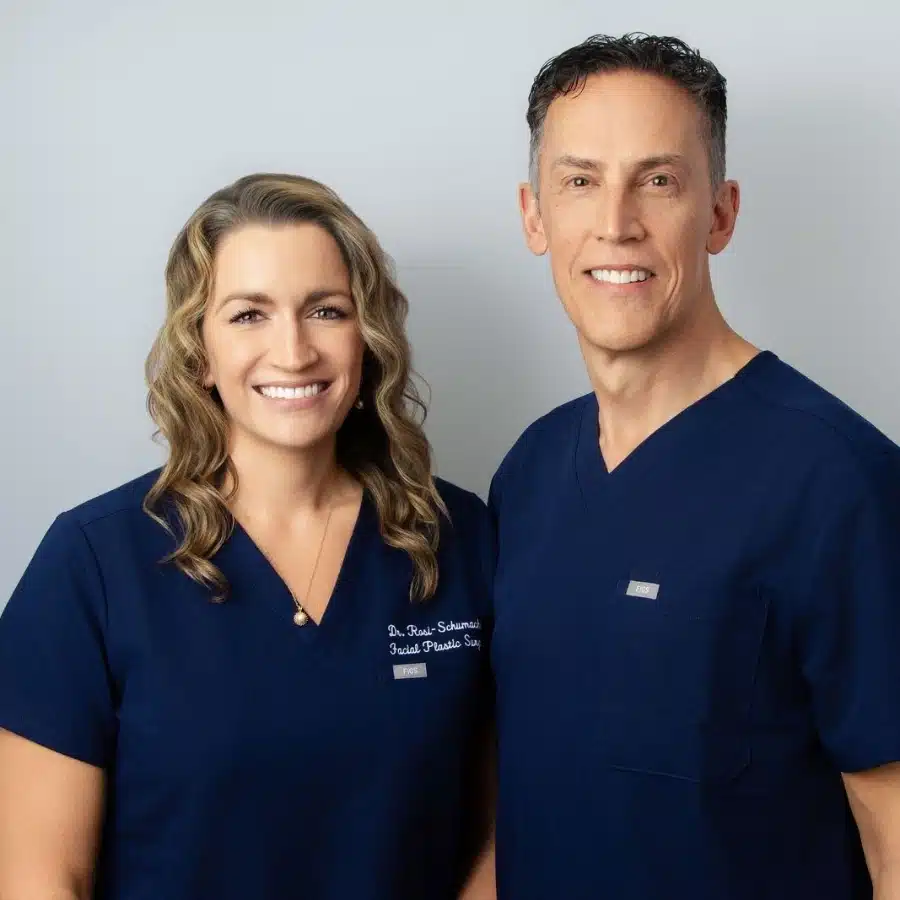
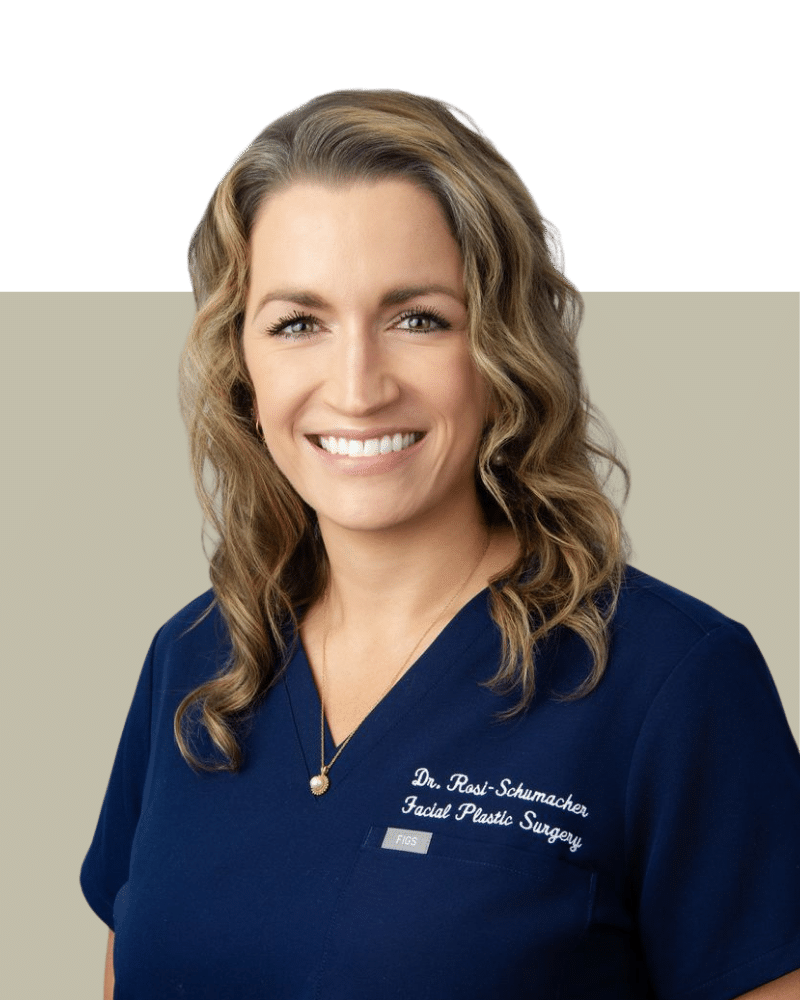
Dr. Rosi-Schumacher
“I believe the best facelift is one that restores what time has changed without changing who you are. Each patient has a unique facial structure, aging pattern, and aesthetic goal, so I tailor every operation accordingly. Rather than simply tightening the skin, I focus on restoring balance and youthful proportions while preserving natural movement, expression, and individuality. My goal is for you to look refreshed, rested, and confident—and for others to simply think you look wonderful.”
- Dr. Rosi-Schumacher







Who Is a Good Candidate for a SMAS Facelift?
A SMAS facelift may be the right option when facial laxity has become significant enough that non-surgical treatments are unlikely to provide the desired correction. Common concerns include jowls, excess skin, and diminished facial or jawline definition.
Candidates should also be in overall good health, have realistic expectations, and be able to safely undergo surgery. Candidacy is based more on the condition of your facial tissues and skin than on your age.
What Happens During a SMAS Facelift?
SMAS facelift surgery is performed under general anesthesia. Dr. Rosi-Schumacher begins by placing small incisions around the ears and within or along nearby hair-bearing areas. Through these incisions, she accesses the SMAS layer and tightens or repositions the tissues to create structural support beneath the skin and refine facial contours.
Once adjustments to the deeper tissues are complete, the skin is redraped, excess skin is removed, and the incisions are carefully closed.
What Is Recovery Like After a SMAS Facelift?
Swelling, bruising, tightness, and temporary changes in sensation are expected during the early stages of recovery. These effects are most noticeable during the first one to two weeks and gradually improve as healing progresses.
Most patients take 10 to 14 days away from work and social engagements while the initial swelling and bruising subside. Exercise, heavy lifting, and strenuous activity will remain restricted until Dr. Rosi-Schumacher confirms that you have healed sufficiently to resume them, usually after four to six weeks.
FAQs About SMAS Facelift Surgery
Schedule a SMAS Facelift Consultation in Carmel, IN
If you are considering facelift surgery and want to know whether a SMAS facelift is right for you, schedule a consultation with Dr. Mattie Rosi-Schumacher at My Plastic Surgery Group’s Carmel office.
MPSG welcomes patients from Indianapolis and communities throughout Central Indiana.