
A deep plane facelift refreshes the mid- and lower face by lifting sagging facial tissues, reducing jowls, and softening deeper folds around the nose and mouth. Under the care of facial plastic surgeon Dr. Mattie Rosi-Schumacher at My Plastic Surgery Group in Carmel, a deep plane facelift offers a more comprehensive approach to facial rejuvenation, restoring youthful definition while preserving the qualities that make your face distinctive.
What Is a Deep Plane Facelift?
A deep plane facelift is an advanced facial plastic surgery procedure that repositions the deeper layers of facial tissue to refine contours and improve definition. By addressing the underlying structures of the face, this technique provides harmonious, natural-looking, and long-lasting facial rejuvenation.
How does a deep plane facelift differ from other types of facelifts?
Compared with facelift techniques that rely more heavily on skin redraping, a deep plane facelift releases deeper facial retaining structures, allowing the tissues to be repositioned as a more unified layer.
By working beneath the superficial layers, the procedure reduces tension on the skin and avoids an overly tight or “pulled” appearance. Instead, it repositions the cheeks and other deeper facial tissues to improve support through the midface, jawline, and areas around the mouth.
Why Choose Dr. Rosi-Schumacher for Deep Plane Facelift Surgery?
Dr. Mattie Rosi-Schumacher completed a five-year otolaryngology–head and neck surgery residency at the University at Buffalo, where she performed more than 2,500 procedures and served as Chief Resident. She then completed an AAFPRS-endorsed fellowship in facial plastic and reconstructive surgery at the University of Miami, developing advanced expertise in procedures including deep plane facelift and neck lift surgery.
Her expertise includes deep plane and preservation facelift techniques, supported by extensive training in the complex anatomy and aesthetics of the face and neck. Dr. Rosi-Schumacher evaluates how aging changes across these areas relate to one another and adapts her surgical approach to each patient’s anatomy and aging pattern, with an emphasis on refined results that preserve facial character and proportion.
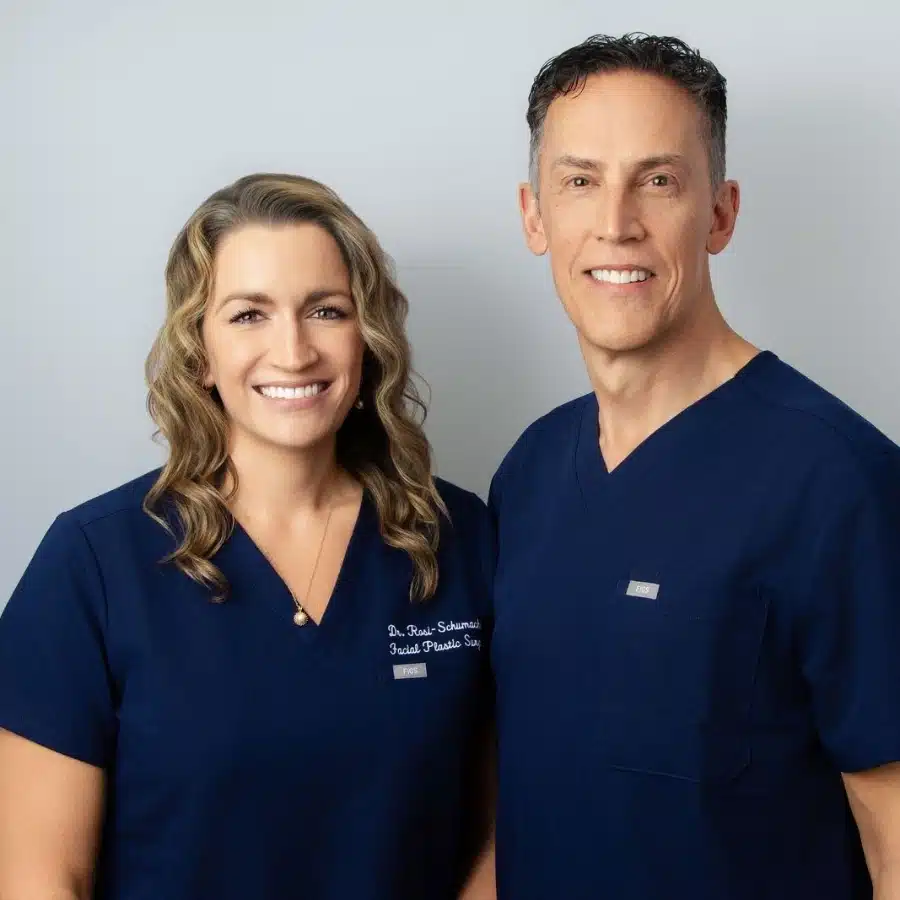
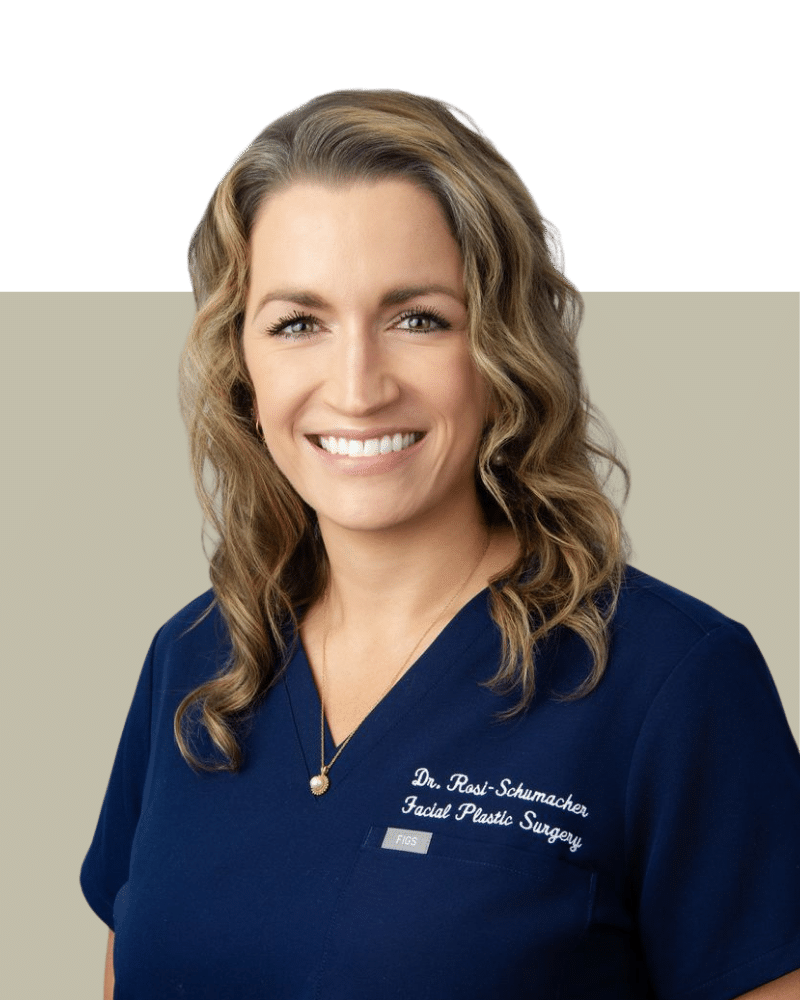
Dr. Rosi-Schumacher
“I believe the best facelift is one that restores what time has changed without changing who you are. Each patient has a unique facial structure, aging pattern, and aesthetic goal, so I tailor every operation accordingly. Rather than simply tightening the skin, I focus on restoring balance and youthful proportions while preserving natural movement, expression, and individuality. My goal is for you to look refreshed, rested, and confident—and for others to simply think you look wonderful.”
- Dr. Rosi-Schumacher







What Can a Deep Plane Facelift Address?
Drooping Cheeks
As the tissues of the cheeks settle with age, the midface can appear flatter or heavier. A deep plane facelift can bring the cheeks into a more youthful position and improve midface contours.
Prominent Nasolabial Folds
The folds extending from the sides of the nose toward the corners of the mouth can become more pronounced as the cheeks lose support. By addressing midface laxity, a deep plane facelift can soften these folds while preserving natural facial expression.
Jowls and Loss of Jawline Definition
Jowls form as lower-face tissues shift downward. Deep plane facelift surgery can reduce this heaviness and create a cleaner line from the chin toward the ear.
Neck Laxity and Contour
When facial aging is accompanied by loose skin in the neck area, treatment can extend below the jawline. Dr. Rosi-Schumacher may incorporate the mastoid crevasse neck lift technique when appropriate to refine neck contours and create a smoother transition between the jawline and neck.
Excess Skin After Significant Weight Loss
Major weight loss can result in loose skin and a deflated look across the face and neck. A deep plane facelift can address these changes by repositioning the underlying tissues and removing excess skin.
Who Is a Good Candidate for a Deep Plane Facelift?
Men and women who have signs of aging such as skin laxity in the face and neck, volume loss and sagging in the cheek and midface, prominent jowls, a poorly defined jawline, and/or deep nasolabial folds are often good candidates. Age alone is less important than facial structure and skin quality when determining candidacy.
Other requirements include realistic expectations, good overall health with no serious medical conditions, a BMI less than 30, and no smoking or nicotine use.
What to Expect During a Deep Plane Facelift
Deep plane facelift surgery is performed under general anesthesia. Dr. Rosi-Schumacher will place discreet incisions around the ears and within the hairline to allow access to the deeper facial tissues.
Through these incisions, she releases key retaining structures and repositions the tissues as needed to achieve a balanced, refreshed final result. The skin is then gently redraped with any excess removed before the incisions are closed.
What Is Deep Plane Facelift Recovery Like?
After your procedure, you will be able to return home with a friend or family member. You will mostly be resting and recuperating during the first few weeks. We recommend using cold packs for swelling and that you sleep in an elevated position. You may shower after two days.
Swelling and bruising are most pronounced in the first one to two weeks. Patients usually feel comfortable running errands and getting out of the house by day 10. Most patients will return to light work and activities after two weeks. On average, patients may resume moderate exercise by three weeks and strenuous activities by four to six weeks after surgery.
FAQs About Deep Plane Facelift Surgery
Book a Deep Plane Facelift Consultation in Carmel, IN
If you are considering a deep plane facelift in Indianapolis or the surrounding area, schedule a consultation with Dr. Mattie Rosi-Schumacher at My Plastic Surgery Group’s Carmel office to discuss your concerns and goals and find out if this advanced approach is right for you.